You've developed a fantastic new MDF photo frame. But it's a huge hit in America and a complete failure in Germany. Now you're stuck with inventory and confusion.
American consumers prefer decorative, expressive photo frames that act as home decor, favoring rustic styles and large collage formats. German buyers choose minimalist, functional frames with clean lines and natural wood finishes, prioritizing the photo over the frame itself. These differences reflect deep cultural values.
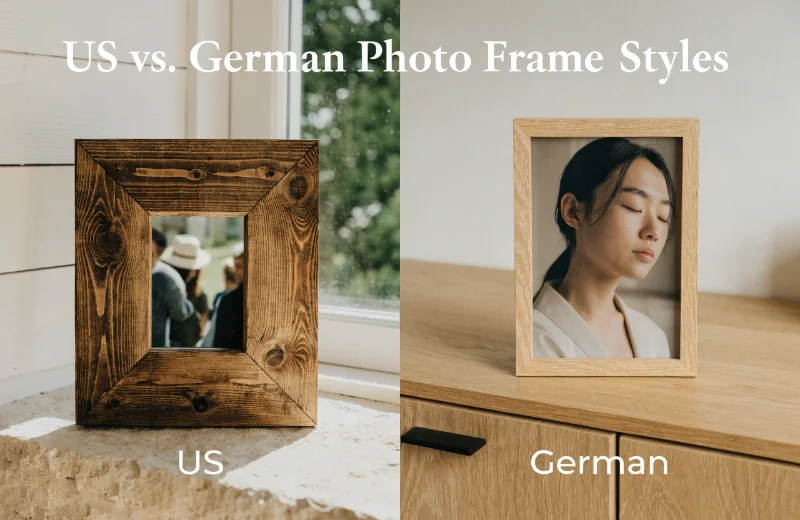
I see this divide every single day. As a manufacturer for major brands in both the US and Europe, my team and I constantly navigate these different tastes. A purchasing manager for a large American retailer will ask for "something with a farmhouse feel," while a client from a German chain store wants "a clean, simple oak profile." They are both looking for MDF frames, but they are describing two completely different products. Understanding this core difference is the first step to succeeding in both markets. It's not just about aesthetics; it's about culture.
What Styles Dominate the American Photo Frame Market?
You want to enter the massive US market, but the trends seem overwhelming. Choosing the wrong style means your products will just sit on the shelf, ignored by American consumers.
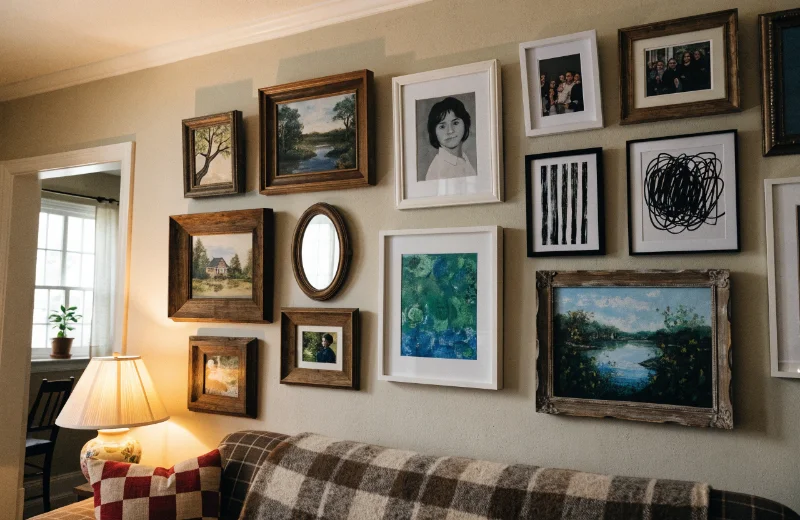
The US market is all about expression and variety. The dominant styles are rustic farmhouse, bold and decorative frames, and large multi-opening collage frames. Americans use frames as statement pieces to build a warm, personalized home environment.
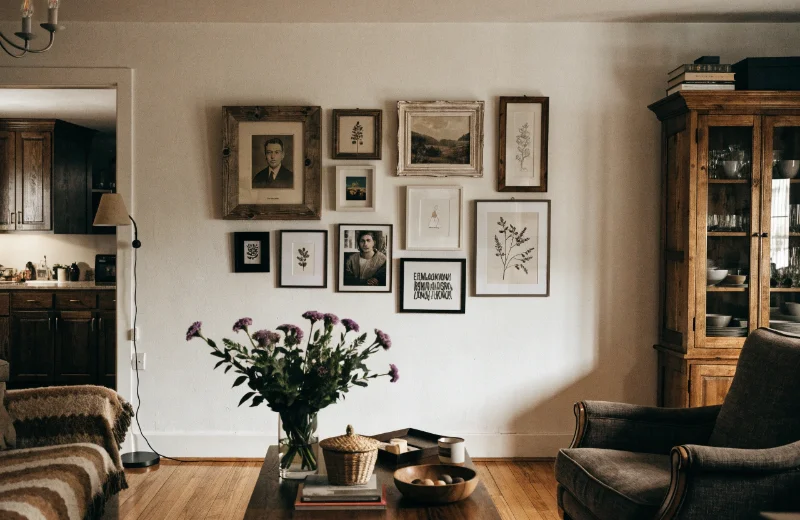
When a US brand manager comes to me for a new collection, the conversation is rarely just about holding a photo. It’s about creating a mood. The frame is an active part of the home's decor. This mindset drives the most popular trends we manufacture for our American clients.
Key US Market Preferences
-
Farmhouse and Rustic Charm: This is arguably the biggest trend. Think distressed white finishes, faux barnwood textures, and a cozy, lived-in feel. Americans love a story, and these frames suggest history and comfort. We produce countless MDF frames with highly realistic wood-grain paper wraps that look weathered and rustic. The frame itself tells a story before you even see the photo.
-
Decorative and Bold Profiles: Unlike the German market, many American consumers are not afraid of wide, ornate frame profiles. The frame is meant to be noticed. We produce frames with beveled edges, intricate patterns, and bold colors that become a focal point on a wall or table. A gallery wall in a US home is often an eclectic mix of textures and sizes, creating a visual tapestry.
-
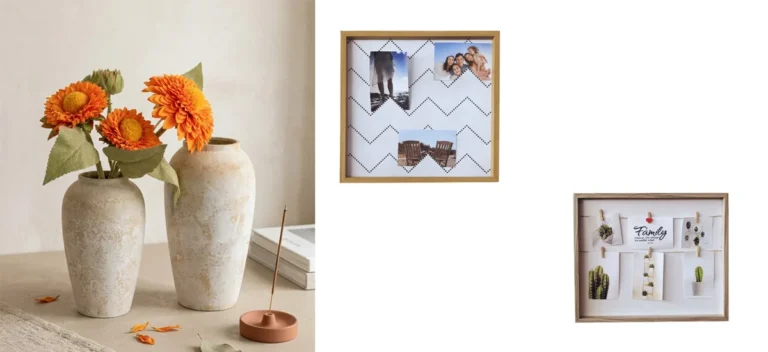
Collage and Multi-Opening Frames: Americans love to display many memories at once. The collage frame is a top seller. We design and manufacture complex frames that can hold five, seven, or even more photos. These are perfect for telling the story of a family vacation, a wedding, or a baby's first year. It’s about abundance and sharing the complete narrative.
| US Market Preference | Description | Popular MDF Finish |
|---|---|---|
| Farmhouse | Cozy, weathered, and comfortable aesthetic. | Distressed white, gray-wash, faux barnwood. |
| Decorative | Wide, ornate profiles that act as decor. | Bold colors, metallic sheens, detailed patterns. |
| Collage | Frames that hold multiple photos in one unit. | Often simple black or white to unify the photos. |
What Defines the German Preference for Photo Frames?
Your sleek, minimalist frame design seems perfect for the European market. Yet, it's not selling in Germany, and you can't figure out why. You're missing subtle but crucial details.
The German market prioritizes function, quality, and understated design. Consumers prefer simple, thin profiles with high-quality, realistic wood finishes, especially oak. The frame's job is to present the photograph beautifully without drawing attention to itself, reflecting a "less is more" philosophy.
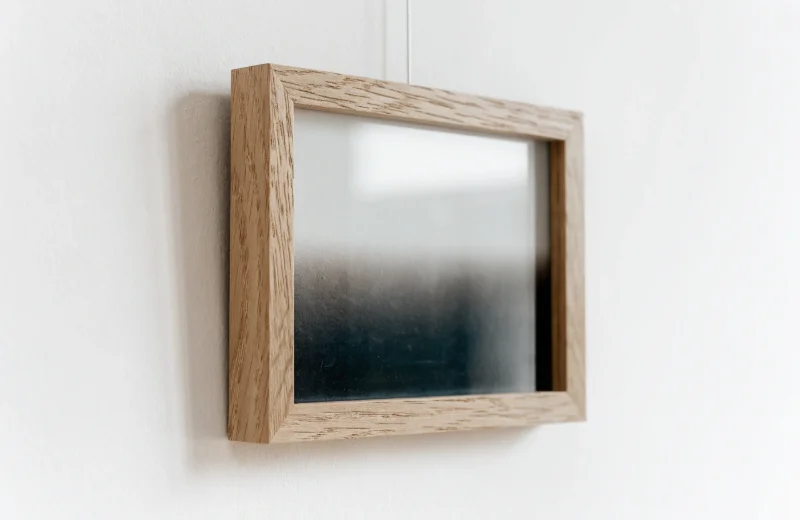
My conversations with German purchasing managers are very different. They are meticulous about quality and consistency. They will ask for specific profile widths in millimeters and realistic wood grains that feel authentic to the touch. This preference is rooted in a long history of German design, including the famous Bauhaus movement, where function dictates form.
Key German Market Preferences
-
Minimalism and Functionality: The frame has a clear job: to protect and display the photo. It should not compete for attention. This leads to a preference for very thin, flat profiles. Simple black, white, and silver frames are timeless bestsellers. The elegance comes from the simplicity and the quality of the construction, not from ornamentation.
-
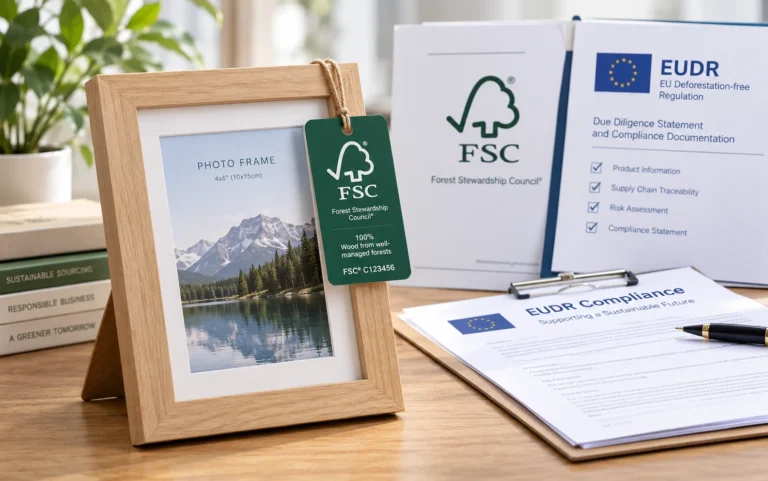
Natural Wood Aesthetics: While Americans love rustic wood, Germans prefer clean, natural wood looks. Light oak is by far the most popular finish. For our MDF frames, this means sourcing the most realistic, high-fidelity oak paper wraps available. The finish must look and feel like real, high-quality wood. This connects to a cultural appreciation for nature and sustainable materials, which is why having FSC certification is so important for this market.
-
Quality and Standardization: German consumers are discerning. They expect perfect corners, a smooth finish, and a sturdy backing. There is also a strong adherence to standard paper sizes (like DIN A4), so frames must be precisely manufactured to fit. A frame that feels flimsy or cheap will not succeed, no matter how trendy it looks. We ensure our production lines for German clients have extra quality control steps to meet these high expectations.
How Can You Source the Right MDF Frames for Both Markets?
You need to sell in both the US and Germany, but developing two completely separate product lines seems costly and complex. You risk high inventory costs and complicated supply chain management.
Work with a flexible OEM/ODM manufacturer that understands both markets. You can use the same basic MDF profile and customize the finish, width, and features for each region. This strategy minimizes cost and risk while maximizing market appeal.
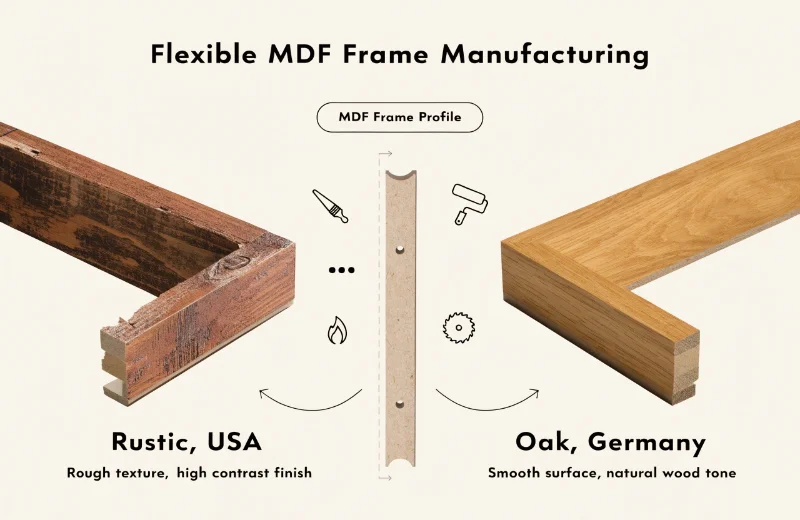
This is the solution we provide for our largest global clients. MDF (Medium-Density Fiberboard) is the perfect material for this kind of strategic manufacturing because it is stable, cost-effective, and incredibly versatile.[^1] It's the ideal blank canvas to create products for very different tastes.
The Power of Strategic Customization
The key is to think of the core frame as a platform that can be adapted. Here’s how we do it:
-
Vary the Finish: The easiest and most effective customization is the paper wrap. We can take the exact same MDF profile and produce one batch with a distressed white finish for a US retailer and another batch with a light oak finish for a German wholesaler. The tooling cost is shared, but the final products are completely different.
-
Adjust the Profile: While it requires different tooling, we can design families of frames. For instance, a simple flat profile can be produced in a 40mm width for the US market (more decorative) and a 15mm width for the German market (more minimalist). Because we have multiple production lines, we can run these simultaneously and efficiently.
-
Customize the Features: For the American market, we can bundle a frame with a pre-cut multi-opening mat board to turn it into a collage frame. For the German market, the same frame is sold with a simple single-opening mat. This small change completely alters the product's function and appeal without changing the frame itself.
As a manufacturer, our role is to be a consultant. We help our clients see these opportunities so they can efficiently capture market share in different regions without having to start from scratch every time.
Conclusion
The US market buys decorative frames as expressive home decor, while Germany chooses functional frames that serve the photo. A flexible manufacturing partner can help you serve both with strategic customization.
---

[^1]: "What Is Mdf And Where Is It Used?", https://www.agtwood.com/trends-blog/what-is-mdf-and-where-is-it-used. This source describes the properties of MDF, including its stability, cost-effectiveness, and versatility for manufacturing. Evidence role: definition; source type: encyclopedia. Supports: MDF (Medium-Density Fiberboard) is the perfect material for this kind of strategic manufacturing because it is stable, cost-effective, and incredibly versatile.. Scope note: The source may discuss MDF in general rather than its specific application in photo frames.