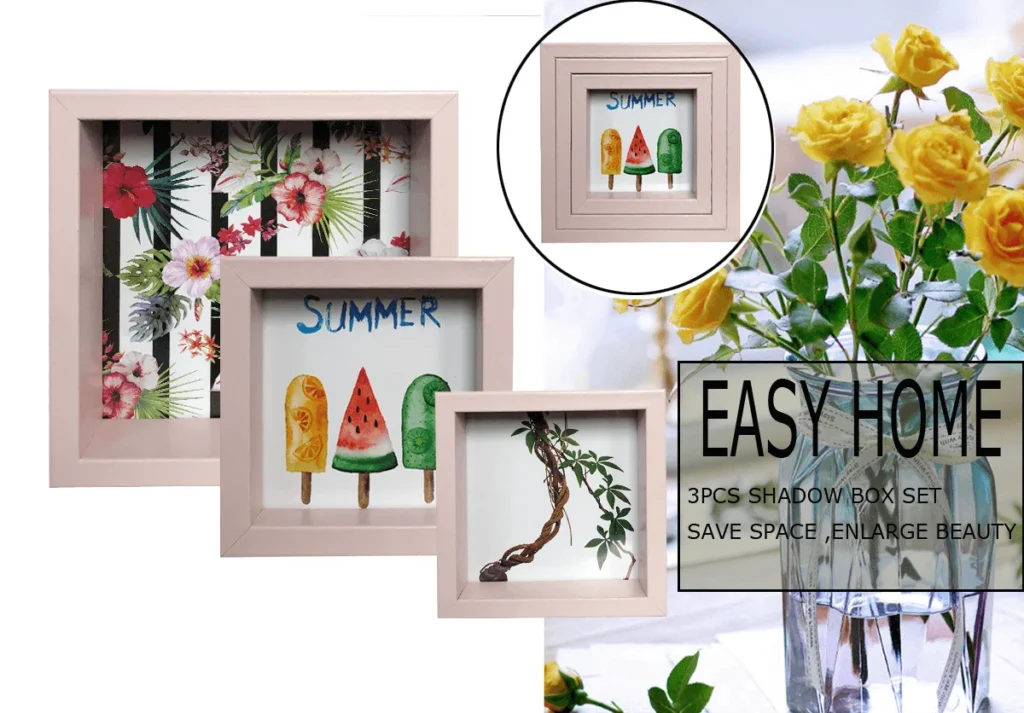
You have precious keepsakes like medals, souvenirs, or your baby’s first shoes. They sit in a drawer, collecting dust because a regular photo frame is too flat to display them.
A shadow box frame is a deep, enclosed display case. It’s designed to hold and showcase three-dimensional objects, turning your cherished memorabilia and collections into a work of art.
I've been manufacturing frames for over ten years, and shadow boxes have always been a standout category. While a standard frame holds a flat picture, a shadow box tells a story with objects. It adds depth and dimension to a wall, literally. I’ve watched this product evolve from a niche item for collectors into a mainstream home decor essential. It’s an innovation based on the traditional frame, but it offers so much more in both beauty and function. Let's dive into what makes this product so special for our clients worldwide.
How is a Shadow Box Different from a Regular Picture Frame?
You see a frame and assume it's only for flat photos. This mindset prevents you from displaying more meaningful, three-dimensional memories, leaving them hidden away and forgotten.
A shadow box has significant depth between the glass and the backing.[^1] This hollow space, typically 3 to 10 cm deep, allows it to hold objects, unlike a standard, flat picture frame.
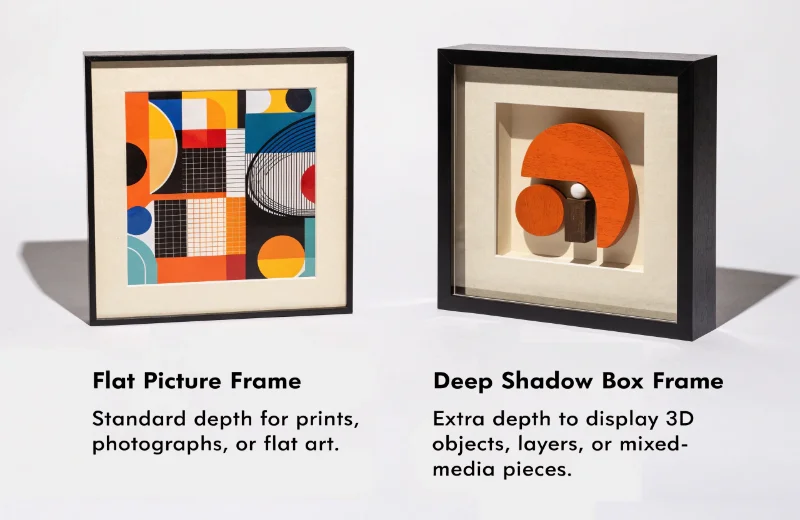
The key difference is construction. A picture frame is designed to press a photo tightly against the glass. A shadow box is built like a small case or window. As a manufacturer for brands that purchase over $5 million in products annually, we pay close attention to this detail. The depth is everything. We create these frames using sturdy MDF or PS materials to ensure the structure is solid. The backing is also different; instead of a simple cardboard backer, shadow boxes often feature a linen or felt-covered panel[^2], so users can easily pin their items in place. It’s not just holding a memory; it’s staging it.
| Feature | Regular Picture Frame | Shadow Box Frame |
|---|---|---|
| Depth | Minimal (less than 1 cm) | Significant (3-10 cm or more) |
| Purpose | Displays 2D items (photos, art prints) | Displays 3D objects (memorabilia) |
| Backing | Flat cardboard or MDF | Often fabric-lined for pinning |
| Display | Item is flat against the glass | Items are set back, creating depth |
This simple difference in depth opens up a world of creative possibilities that a standard frame just can't offer. It transforms a simple wall decoration into a personal museum.[^3]
What Can You Actually Put Inside a Shadow Box?
You have a box of treasured items but no idea how to display them. You want to honor these memories, but they are an awkward shape or size for traditional decor.
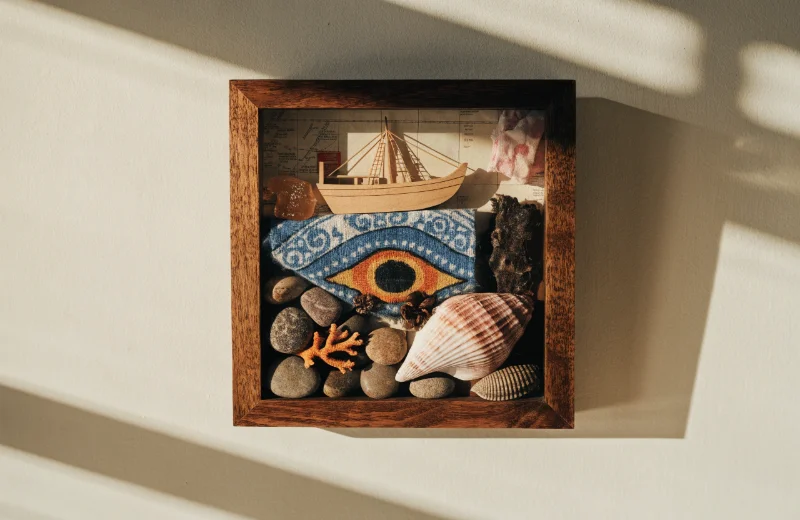
You can display almost any small, cherished 3D object. People use shadow boxes for medals, dried flowers, travel souvenirs, collections of stamps or coins, and even interactive money banks.[^4]
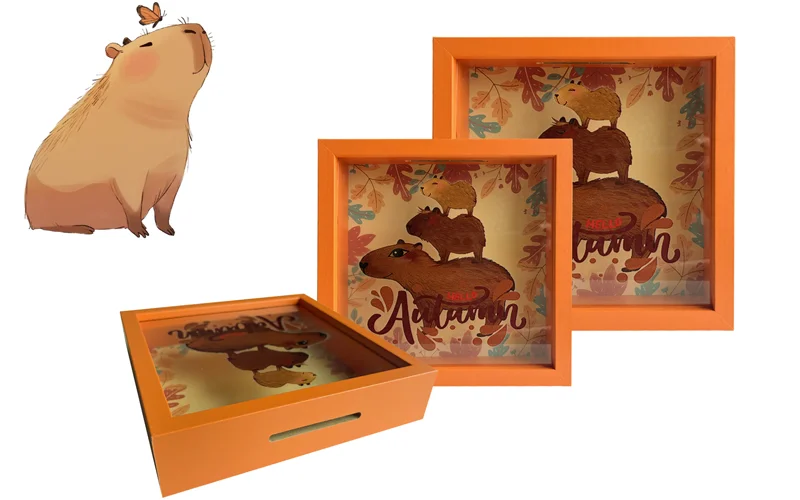
The answer is, anything that fits and holds meaning for you. This is where the shadow box truly shines. It's a versatile canvas. I remember working with a European brand to design a line of shadow boxes. They were amazed at the range of uses their
References
[^1]: "What is a Shadow Box vs a Box Frame? - The Picture Factory", https://pictureframersmelbourne.com.au/whats-the-difference-between-a-shadow-box-frame-and-a-box-frame/. This source explains the structural differences between shadow boxes and regular picture frames, emphasizing the depth that allows for three-dimensional displays. Evidence role: mechanism; source type: education. Supports: A shadow box has significant depth between the glass and the backing, allowing it to hold objects.. [^2]: "What's a good backing material for a shadow box? - Facebook", https://www.facebook.com/groups/woodworkingforbeginner/posts/2751484778339463/. This source describes the materials commonly used for the backing of shadow boxes, such as linen or felt, which facilitate pinning objects. Evidence role: mechanism; source type: education. Supports: Shadow boxes often feature a linen or felt-covered panel, so users can easily pin their items in place.. Scope note: Specific materials may vary by manufacturer or design. [^3]: "What Is a Shadow Box & Why You Need One in Your Home - Wayfair", https://www.wayfair.com/sca/ideas-and-advice/guides/what-is-a-shadow-box-why-you-need-one-in-your-home-T21785. This source highlights how shadow boxes can elevate personal memorabilia into artistic displays, creating a museum-like effect. Evidence role: general_support; source type: encyclopedia. Supports: Shadow boxes transform simple wall decorations into personal museum-like displays.. Scope note: The artistic impact of shadow boxes may vary based on individual preferences and design choices. [^4]: "Ideas for creative shadow box displays? - Facebook", https://www.facebook.com/groups/1113731255368861/posts/34824648673850353/. This source lists common items displayed in shadow boxes, such as medals, dried flowers, and travel souvenirs, highlighting their versatility. Evidence role: general_support; source type: encyclopedia. Supports: People use shadow boxes for medals, dried flowers, travel souvenirs, collections of stamps or coins, and even interactive money banks.. Scope note: The list of items may vary based on cultural or personal preferences.