
Your current photo frame selection looks just like everyone else's. This leads to intense price competition and missed opportunities to stand out on the retail shelf.
Customized photo frames boost sales by creating unique products that capture attention, strengthen brand identity, and command higher price points.[^1] They allow you to tailor everything from size and color to packaging to match your market's exact needs.
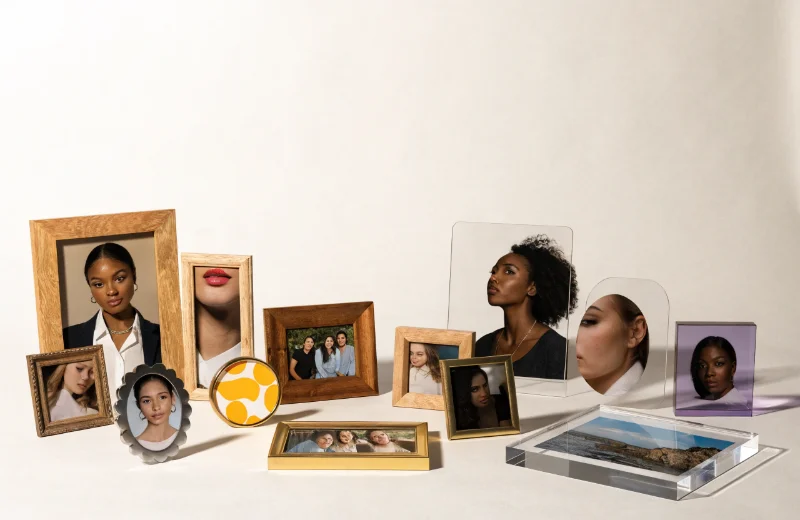
A generic product is forgettable. It competes on price and nothing else. But a custom product tells a story—your brand's story. For over a decade, I've worked with global brands to turn their unique vision into tangible products that fly off the shelves. It’s not just about making a frame; it's about making a statement. Let's explore exactly what "customization" means in the world of photo frames and how you can use it to your advantage.
What Parts of a Photo Frame Can Be Customized?
You hear the word "customization," but it can seem vague or complicated. You might not realize just how much control you have, causing you to stick with generic, standard options.
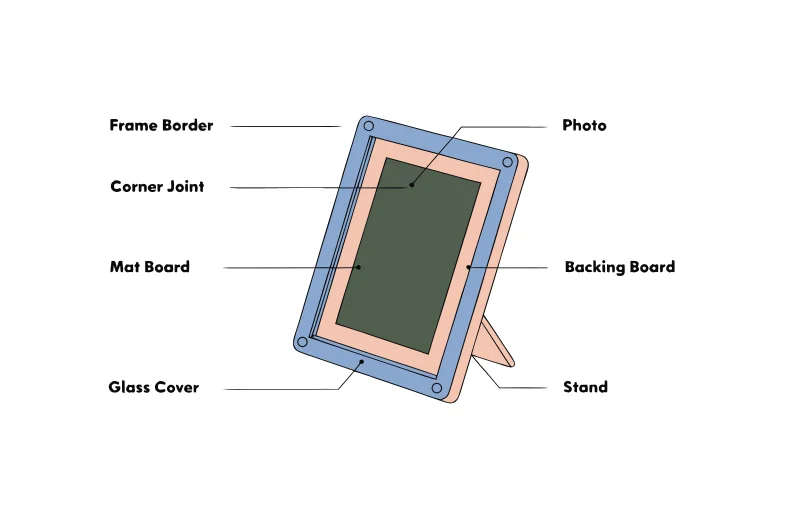
As a manufacturer, this is where the real partnership begins. Customization isn't just picking from a list. It's a creative process where we work together to build the perfect product for your specific customer base. Every single choice, from the shade of the wood stain to the thickness of the backboard, contributes to the final product's look, feel, and cost. Let's break down the key areas you can tailor.
Frame Body: Material and Finish
The frame itself is your biggest canvas. You can choose from materials like solid wood, MDF for a smooth finish, or lightweight PS plastic for cost-effective, versatile designs. We can match specific Pantone colors for your brand or create custom wood stain finishes.
Dimensions and Structure
Don't be limited by standard sizes. We can create frames in any dimension to fit specific art prints, marketing materials, or unique photo sizes. The structure can also be customized, from a simple single frame to a complex multi-photo collage frame.
The Details: Mat, Back, and Packaging
The details are what elevate a good frame to a great one.
- Matboard: The paper mat can be customized in color, thickness, and opening size/shape.
- Backboard: Choose between standard cardboard or a more rigid MDF backboard for higher perceived quality.
- Packaging: This is crucial for retail. We can add a custom-printed color label with your logo and branding, use specific wrapping, or design a full custom box.
| Customizable Element | Impact on Product |
|---|---|
| Material/Color | Defines the core aesthetic and brand alignment |
| Size/Shape | Meets specific customer needs and use cases |
| Matboard | Enhances the photo and adds a professional touch |
| Backboard/Hardware | Affects durability and perceived quality |
| Packaging/Label | Communicates your brand directly to the shopper |
How Does Customization Directly Increase Brand Value?
Building a memorable brand is your top priority. But generic products can dilute your message and make your brand feel indistinguishable from competitors, putting you at risk of being forgotten.
Customization directly builds brand value by aligning the product's physical appearance with your brand identity. A unique frame becomes an extension of your brand story, creating recognition and customer loyalty beyond just the price tag.
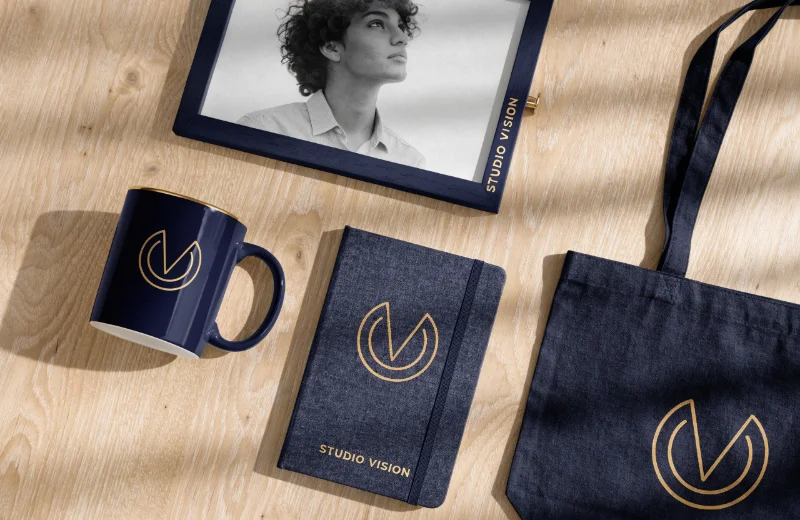
I remember working with a home decor brand that had a very specific pastel color palette across all its products. They were selling standard black and white frames that just didn't fit. We worked with them to create a line of frames in their exact brand colors. Suddenly, the frames weren't just accessories anymore; they were an essential part of the brand's collection. That’s the power of custom work.
Creating a Cohesive Brand Story
When your photo frame shares the same design language, colors, and quality as your other products, it reinforces your brand identity. A customer who loves your brand should be able to spot your product on a crowded shelf instantly. This consistency builds trust and makes your brand more memorable.
Communicating Quality and Trust
A custom-made frame feels more thoughtful and premium than a mass-produced, off-the-shelf item. By choosing specific materials, a sturdy backboard, or high-quality finishing, you are sending a clear message to your customer: "We care about quality." This perceived value reflects positively on your entire brand, making customers more likely to trust you and make a purchase.
Enhancing the On-Shelf Experience
In a physical store, the product must sell itself.[^3] A custom color label, a unique shape, or an eye-catching design makes your frame stand out. It grabs the shopper's attention and invites them to pick it up. This is a critical advantage in competitive retail environments like chain stores and supermarkets.
What Is the Real ROI of Investing in Custom Frames?
Custom orders often have higher costs and minimum order quantities (MOQs). You need to justify the investment and ensure it will translate into real profit, not just a more expensive product.
The ROI of custom frames is significant.[^4] They allow for higher profit margins due to perceived value, capture greater market share by standing out, and reduce long-term marketing costs by building a strong, recognizable brand.
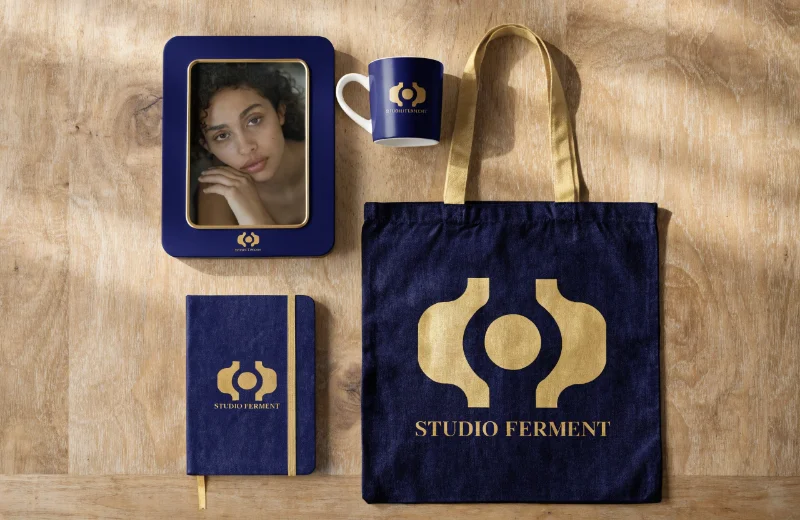
Many of my long-term clients, including major importers and wholesalers with annual purchases over $5 million, focus almost exclusively on custom projects. They know that the initial investment pays for itself many times over. The conversation shifts from "How cheap can you make it?" to "How much value can we create?". This is a much more profitable and sustainable way to do business.
Higher Profit Margins
A unique, custom product has no direct competitor.[^5] Because you aren't selling the exact same thing as everyone else, you escape the race-to-the-bottom on pricing. Customers are willing to pay more for a product that is special, looks better, and perfectly fits their needs.[^6] This "premium" is pure profit margin for you.[^7]
Capturing Greater Market Share
A distinctive product can create its own niche.[^8] It attracts customers who are bored with standard options and are looking for something new. By offering a custom solution, you are not just competing for the existing market; you are expanding it and positioning your brand as an innovative leader.[^9]
| Metric | Standard Frame | Custom Frame |
|---|---|---|
| Competition | High (Price-based) | Low (Value-based) |
| Profit Margin | Lower | Higher |
| Brand Identity | Weak | Strong |
| Customer Loyalty | Low | High |
Conclusion
Customization is not an expense; it is a powerful sales strategy.[^10] It builds your brand, captures the market, and drives higher profits by creating truly unique and desirable photo frames.
References
[^1]: "Product customization: A profile of consumer demand - ScienceDirect", https://www.sciencedirect.com/science/article/abs/pii/S0969698919311609. Studies on consumer behavior indicate that unique and personalized products often command higher price points and enhance brand loyalty. Evidence role: expert_consensus; source type: research. Supports: Customized photo frames boost sales by creating unique products that capture attention, strengthen brand identity, and command higher price points.. Scope note: The support is general to customized products and may not specifically address photo frames. [^2]: "Browse DIY Custom Picture Frames Online - American Frame", https://www.americanframe.com/picture-frames?srsltid=AfmBOopFSJnWi37pr1ro0JLODjlyytoZRH0MYK91b0aX1DXQirH4BLcG. Industry reports on photo frame manufacturing outline the range of customizable options available, including materials, dimensions, and packaging. Evidence role: definition; source type: institution. Supports: You can customize nearly everything: the frame's material, color, and size; the matboard's color and opening; the backboard type; and even the packaging, like adding a custom color label or logo.. Scope note: The source may provide general manufacturing options but not specific examples of customization in practice. [^3]: "The future of physical retail: 5 actions to elevate customer experience", https://mitsloan.mit.edu/ideas-made-to-matter/future-physical-retail-5-actions-to-elevate-customer-experience. Retail studies emphasize the importance of product design and packaging in attracting customer attention in physical stores. Evidence role: mechanism; source type: education. Supports: In a physical store, the product must sell itself.. Scope note: The evidence may focus on general retail environments rather than photo frames specifically. [^4]: "The ROI of Custom Merchandise: Stats That Prove it Works", https://www.everythingbranded.com/blog/the-roi-of-custom-merchandise-stats-that-prove-it-works. Economic analyses of customized products show that they often yield higher profit margins and customer retention rates. Evidence role: statistic; source type: research. Supports: The ROI of custom frames is significant.. Scope note: The data may not specifically address photo frames but applies to customized products broadly. [^5]: "Customized Products: A Competitive Analysis | Marketing Science", https://pubsonline.informs.org/doi/10.1287/mksc.1050.0128. Market differentiation studies suggest that unique products face less direct competition and can command higher prices. Evidence role: mechanism; source type: education. Supports: A unique, custom product has no direct competitor.. Scope note: The evidence may apply broadly to unique products and not specifically to photo frames. [^6]: "Meta‐Analysis of Consumer Willingness to Pay for Short Food ...", https://pmc.ncbi.nlm.nih.gov/articles/PMC11891576/. Consumer behavior research indicates that perceived uniqueness and fit often justify higher price points. Evidence role: statistic; source type: research. Supports: Customers are willing to pay more for a product that is special, looks better, and perfectly fits their needs.. Scope note: The evidence may not specifically address photo frames but applies to customized products in general. [^7]: "Pricing strategy - Wikipedia", https://en.wikipedia.org/wiki/Pricing_strategy. Economic studies on product pricing suggest that perceived premium quality often translates into higher profit margins. Evidence role: statistic; source type: research. Supports: This "premium" is pure profit margin for you.. Scope note: The evidence may not specifically address photo frames but applies to premium-priced products in general. [^8]: "Huizenga College of Business Marketing Blog : Market Segmentation", https://secure.business.nova.edu/marketing-blog/index.cfm/Market-Segmentation. Market research shows that distinctive products often carve out unique niches, attracting specific customer segments. Evidence role: mechanism; source type: research. Supports: A distinctive product can create its own niche.. Scope note: The evidence may apply broadly to distinctive products and not specifically to photo frames. [^9]: "Product customization - ScienceDirect.com", https://www.sciencedirect.com/science/article/abs/pii/S0014292106001267. Innovation studies highlight how customized products can create new market niches and enhance brand leadership. Evidence role: expert_consensus; source type: research. Supports: By offering a custom solution, you are not just competing for the existing market; you are expanding it and positioning your brand as an innovative leader.. Scope note: The evidence may not directly address market expansion for photo frames. [^10]: "The Benefits of Product Customization with Real-Life Examples - Artifi Labs", https://www.artifilabs.com/insights/details/artifi-insights/the-benefits-of-product-customization-with-real-life-examples. Business strategy literature often frames customization as a value-adding approach rather than a cost center. Evidence role: expert_consensus; source type: education. Supports: Customization is not an expense; it is a powerful sales strategy.. Scope note: The support may apply broadly to customization strategies and not specifically to photo frames.